Source Seamless Insulated Copper Round Tube for HVAC
Find 30 listings for seamless insulated copper round tube suitable for air conditioning and refrigeration systems. Compare specifications including wall thickness, length, and insulation materials to identify the right components for your project needs; compare the available evidence and request quotations based on your requirements.
Key considerations
Products List




Comprehensive Sourcing Guide
Seamless Insulated Copper Round Tube Sourcing Guide
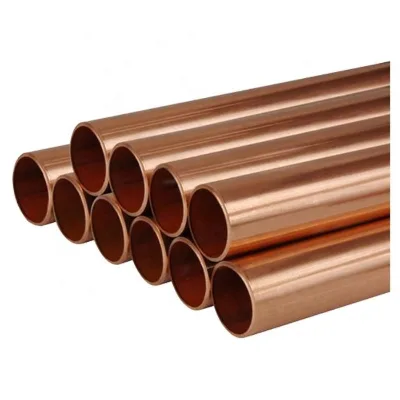
Buyers must first distinguish between bare copper tubing and insulated variants, as the supplied data indicates a mix of product types including straight copper pipes and foam-insulated tubes. The observed listings reveal specific insulation materials such as PE, rubber, and black foam, alongside bare copper specifications with wall thicknesses ranging from 0.5mm to 1.5mm. This distinction is critical because the insulation layer dictates the thermal performance and application suitability, particularly for air conditioning or refrigerator systems where moisture-proof and flame-retardant properties are required.
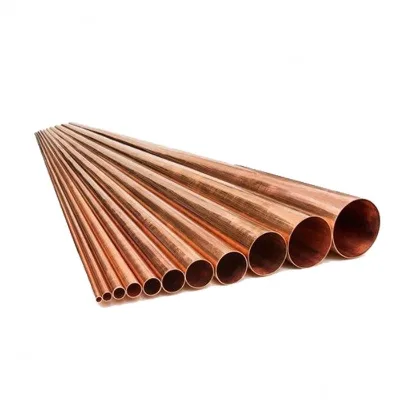
Procurement teams should verify whether the listed "seamless" attribute applies to the copper core or the entire insulated assembly, as some entries specify a copper content of 99% or 99.99% while others list brass or non-alloy compositions. The presence of varying standard sizes, from 1/16 inch to 36 inches in outside diameter, suggests that a single supplier may offer a broad catalog rather than a specialized niche. Buyers need to confirm if the seamless manufacturing process extends to the insulation bonding, ensuring that the foam does not delaminate during the thermal cycling typical of HVAC operations.
Product Scope and Observed Listing Signals
The market signals indicate a wide variance in product configurations, with some listings specifying lengths from 1 meter up to 50 meters and others offering fixed lengths of 3 to 30 meters. This flexibility in length customization is a key signal for buyers with non-standard installation requirements, yet it necessitates careful verification of the minimum order quantity, which ranges from a single unit to 100 rolls depending on the specific model. Understanding these volume thresholds is essential for budgeting, as the cost per unit often fluctuates significantly between small-batch custom orders and bulk standard shipments.
Observations of packaging methods, including cartons, films, color boxes, and shrink wraps, highlight the importance of logistics planning for international procurement. The listed delivery lead time of 25 days suggests a production cycle that may require early scheduling to avoid project delays, especially when combined with the observed MOQ of 100 rolls for certain insulated variants. Buyers should also note the presence of different foam colors like white, black, and grey, which may influence aesthetic integration in visible installations or specific thermal reflectivity requirements for the application environment.
Technical Specifications to Verify
Technical due diligence must focus on the precise dimensional tolerances of the copper tube, as the observed data lists outside diameters from 6.35mm to 22.23mm and wall thicknesses between 0.4mm and 1.5mm. Buyers should request mill test reports to confirm that the ultimate strength of 420 MPa and elongation of 390 are consistent across the batch, as these mechanical properties directly impact the tube's ability to withstand pressure and bending during installation. Verifying the chemical composition, specifically copper content above 99.90% and phosphorus levels between 0.0150% and 0.040%, is vital to ensure the material meets the conductivity and corrosion resistance standards required for refrigeration systems.
The insulation layer specifications require equal scrutiny, with observed data pointing to PE or rubber foam with thicknesses ranging from 8mm to 13mm. Procurement teams must validate that the foam color and density align with the fire-rated classifications observed, such as Bl-S1-D0, M1, or B1, to ensure compliance with local building codes. Additionally, the ventilation mode, whether natural or mechanical, influences the thermal dynamics of the system, and buyers should confirm that the insulation thickness is sufficient to prevent condensation under the specific operating conditions of the intended air conditioning or refrigerator application.
Compliance and Safety Documentation
Compliance verification is paramount given the diverse certification landscape observed in the listings, which includes CE, RoHS, ISO9001, CCC, TUV, EAC, and ISOGOST. Buyers must ensure that the specific product model they intend to purchase carries the certifications relevant to their target market, as a product certified for the European Union may not automatically satisfy the requirements for the Chinese domestic market or other regions. The presence of multiple standards, such as EN 12735-1, ASTM B280, and JIS H3300, indicates that suppliers may produce to different regional norms, requiring explicit confirmation of the standard applied to the specific batch being ordered.
Safety documentation must explicitly address the fire-rated status of the insulated tubes, as the observed data lists classifications like Bl-S1-D0 and B1. Procurement teams should request the full fire test reports to verify that the flame-retardant and moisture-proof advantages claimed are backed by independent laboratory results. Furthermore, the chemical composition data must be cross-referenced with safety data sheets to ensure that the manufacturing process does not introduce hazardous substances that would violate RoHS or REACH regulations, particularly for products destined for residential or commercial HVAC installations.
Cost Drivers and Commercial Terms
Cost structures for seamless insulated copper tubes are heavily influenced by the raw material grade, with observed listings specifying red copper, brass, and non-alloy options. The price variance, ranging from $0.01 to $9,000, reflects the significant difference between small custom pieces and large bulk orders of standard sizes. Buyers should analyze the cost per meter or per roll rather than the total order value, as the MOQ of 100 rolls for certain insulated models can drastically alter the unit economics compared to orders with a minimum of just one unit.
Commercial terms must account for the observed lead time of 25 days and the specific packing requirements, which include standard seaworthy packages or custom cartons. The shipping method, whether by sea or air, will impact the final landed cost, especially given the weight of copper and the volume of the foam insulation. Buyers should negotiate clear terms regarding the customization availability, as the ability to order custom sizes or specific lengths may incur additional tooling or setup fees that are not reflected in the base price range.
Supplier Qualification and Quality Control
Supplier qualification should prioritize manufacturers with a proven track record in producing copper tubes that meet the specific standard of EN 12735-1 or ASTM B280, as these are the most frequently cited standards in the observed data. Buyers must verify the supplier's location, with Jiangsu, China, being a noted origin, and assess their capacity to maintain consistent quality across different production runs. The presence of certifications like ISO9001 and CCC suggests a baseline of quality management, but on-site audits or third-party inspections are recommended to ensure that the production process consistently yields tubes with the specified 99% copper content and mechanical strength.
Quality control protocols must include rigorous testing of the insulation adhesion and the seamless integrity of the copper core. Buyers should require pre-shipment inspections that verify the outside diameter, wall thickness, and foam thickness against the agreed specifications, as deviations in these dimensions can lead to system failures in high-pressure refrigeration applications. Additionally, the supplier should provide evidence of their ability to handle the customization requests, ensuring that the custom sizes and lengths are produced with the same precision as the standard 1/4, 3/8, and 1/2 inch offerings.
Long-Term Procurement Checks
Long-term procurement strategies should focus on establishing a stable supply chain for materials that meet the evolving standards of the HVAC and refrigeration industries. Buyers should monitor the supplier's ability to maintain the chemical composition consistency, particularly the copper purity and phosphorus levels, as these factors affect the long-term durability and thermal efficiency of the tubes. Regular re-verification of certifications is necessary, as regulatory requirements in target markets may change, and the supplier must demonstrate the agility to update their compliance documentation without disrupting the supply flow.
Sustainability and performance tracking are critical for maintaining a competitive edge in the long term. Buyers should assess the supplier's commitment to the moisture-proof and flame-retardant advantages observed in the product listings, ensuring that these properties remain effective over the product's lifecycle. Establishing a feedback loop for field performance data will help identify any latent defects or performance degradation, allowing for proactive adjustments to the procurement specifications and ensuring that the seamless insulated copper tubes continue to meet the rigorous demands of air conditioning and refrigerator applications.
FAQs
What certifications are available for seamless insulated copper round tubes?
Certifications include CE, RoHS, ISO9001, TUV, EAC, and CCC. These ensure compliance with international safety and quality standards. Buyers can verify specific documents from suppliers to confirm regulatory adherence for their target markets and project requirements.
What are the standard specifications for seamless insulated copper round tubes?
Standard specifications include outer diameters from 2mm to 91.4mm and wall thicknesses from 0.5mm to 1.5mm. Lengths range from 1m to 50m. Custom sizes are available to meet specific engineering or installation needs for various industrial applications.
Can seamless insulated copper round tubes be customized for specific projects?
Yes, customization is available for dimensions, lengths, and packaging. Suppliers offer tailored solutions to fit unique project requirements. Buyers should communicate specific needs regarding diameter, wall thickness, and insulation type to ensure the product matches their technical specifications.
What is the typical lead time for ordering seamless insulated copper round tubes?
The typical delivery time is approximately 25 days. This timeframe allows for production, quality control, and packaging. Buyers should plan their procurement schedules accordingly to avoid delays, especially for large orders or customized specifications requiring additional processing time.
What is the minimum order quantity for seamless insulated copper round tubes?
The minimum order quantity varies, typically ranging from 1 to 500 units. Some suppliers may require a minimum of 100 rolls. Buyers should check specific supplier listings to determine the exact MOQ applicable to their order size and product type.
What materials are used in seamless insulated copper round tubes?
The tubes are made from high-purity copper with a minimum content of 99%. The insulation material includes PE, rubber, or foam in various colors like white, black, or grey. This combination ensures durability, thermal efficiency, and moisture resistance for HVAC applications.